The missing instrument
Every resource that drives enterprise value has measurement infrastructure. Except culture, the one that decides whether strategy gets executed
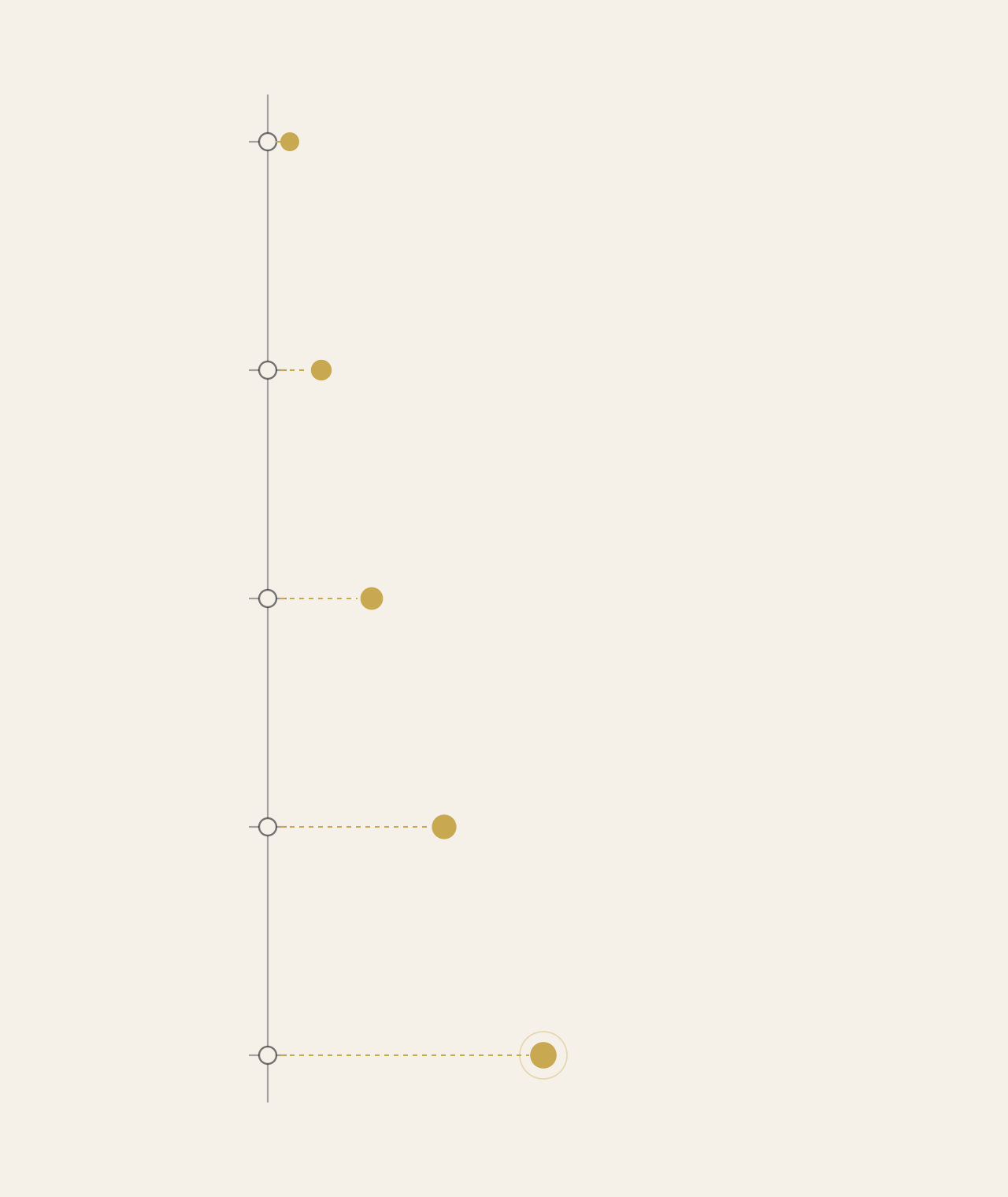
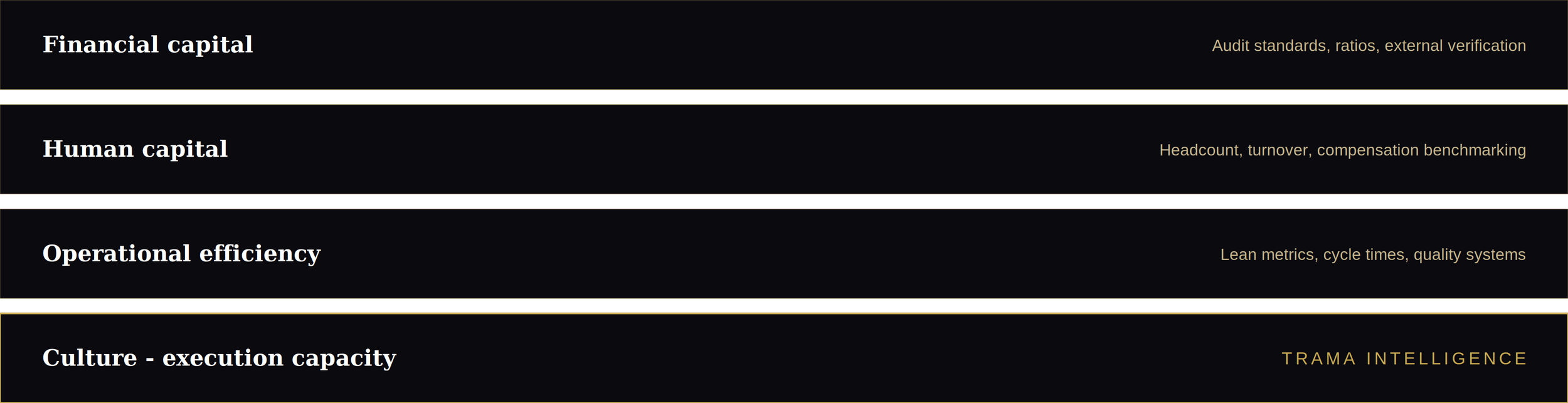
All resources are measured. Except for one.
Financial capital has audit standards. Operations have lean metrics. Human capital has benchmarks. But culture often only has a review score and management's judgment.
The evidence that culture drives value is decades old. Kotter and Heskett at Harvard Business School tracked companies over ten years and found that strong, adaptive cultures delivered revenue growth more than four times higher. That’s proof that culture matters has existed for a long time. A rigorous, decision-grade instrument has not.
Who we are
The instrument is new. The judgment inside it is not.
Between us, we have spent seven decades inside boardrooms and leadership teams, reading how organisations actually work. Together, we have carried out hundreds of board and leadership team assessments and led transformation projects across Europe.
Long before there was an instrument, we have watched the patterns unfold from inside the room. The most definitive, recurring one was well-constructed plans the organization could not carry at the pace the plan assumed, with explanations that arrived too late to act on. Everyone in those rooms knew culture mattered. Yet it carried no weight in the decision, because no one could measure it in a way that survived scrutiny. TRAMA exists because we decided to stop watching that happen and doing nothing about it.
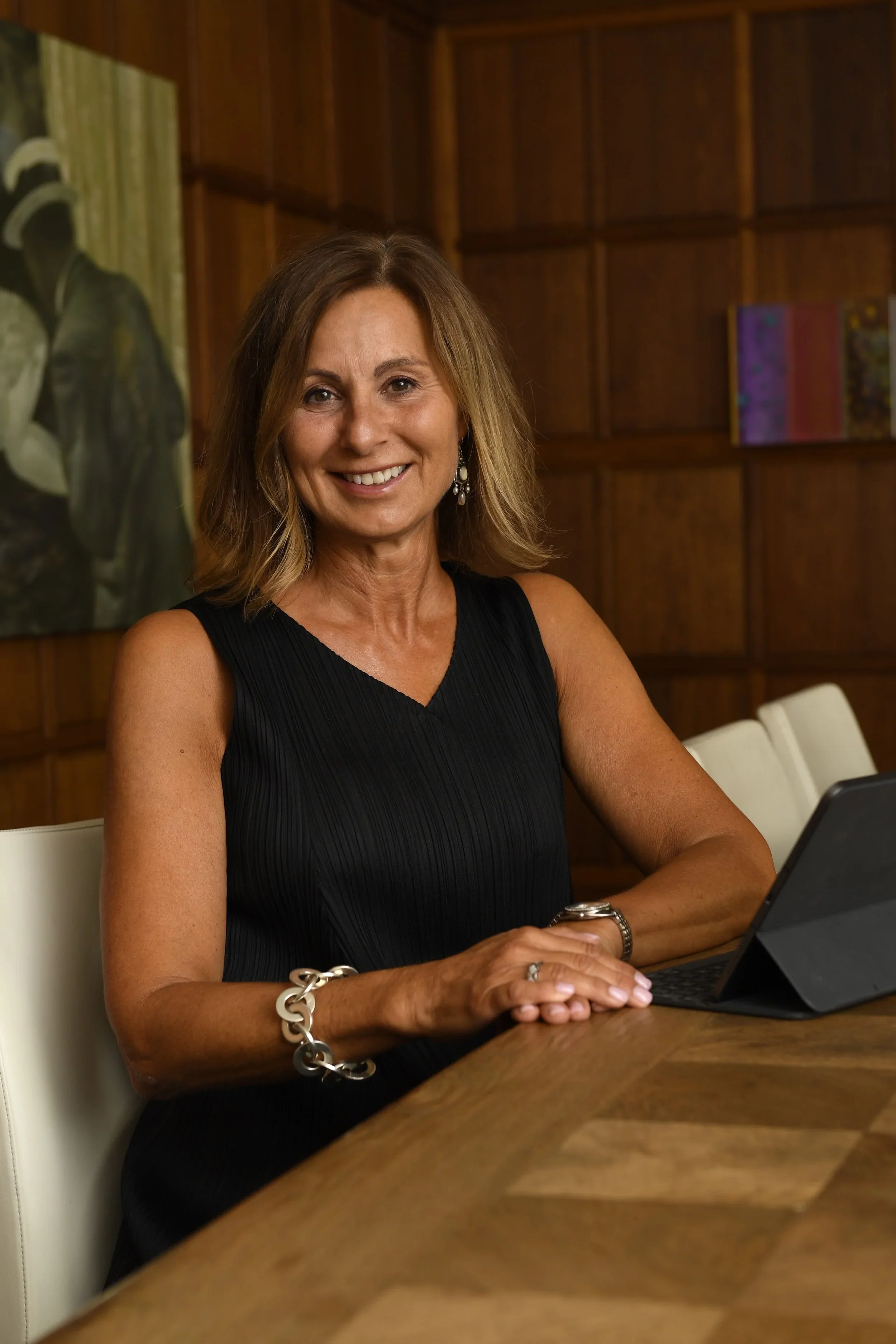
Monica Lagercrantz, Co-founder, Stockholm
Monica has spent 30 years on every side of the leadership question, more than 20 of them as CEO. She has been Country Head of Russell Reynolds Associates and Heidrick & Struggles, and founded Lagercrantz Associates and BoardClic, a leading board evaluation platform. Alongside running these organisations, she has led CEO and board searches and advised boards on governance and effectiveness.
She has conducted over 200 board evaluations, recruited 250 leaders, and evaluated thousands of executives.
At TRAMA, Monica leads the company’s vision and anchors the governance and leadership lens of the diagnostic.
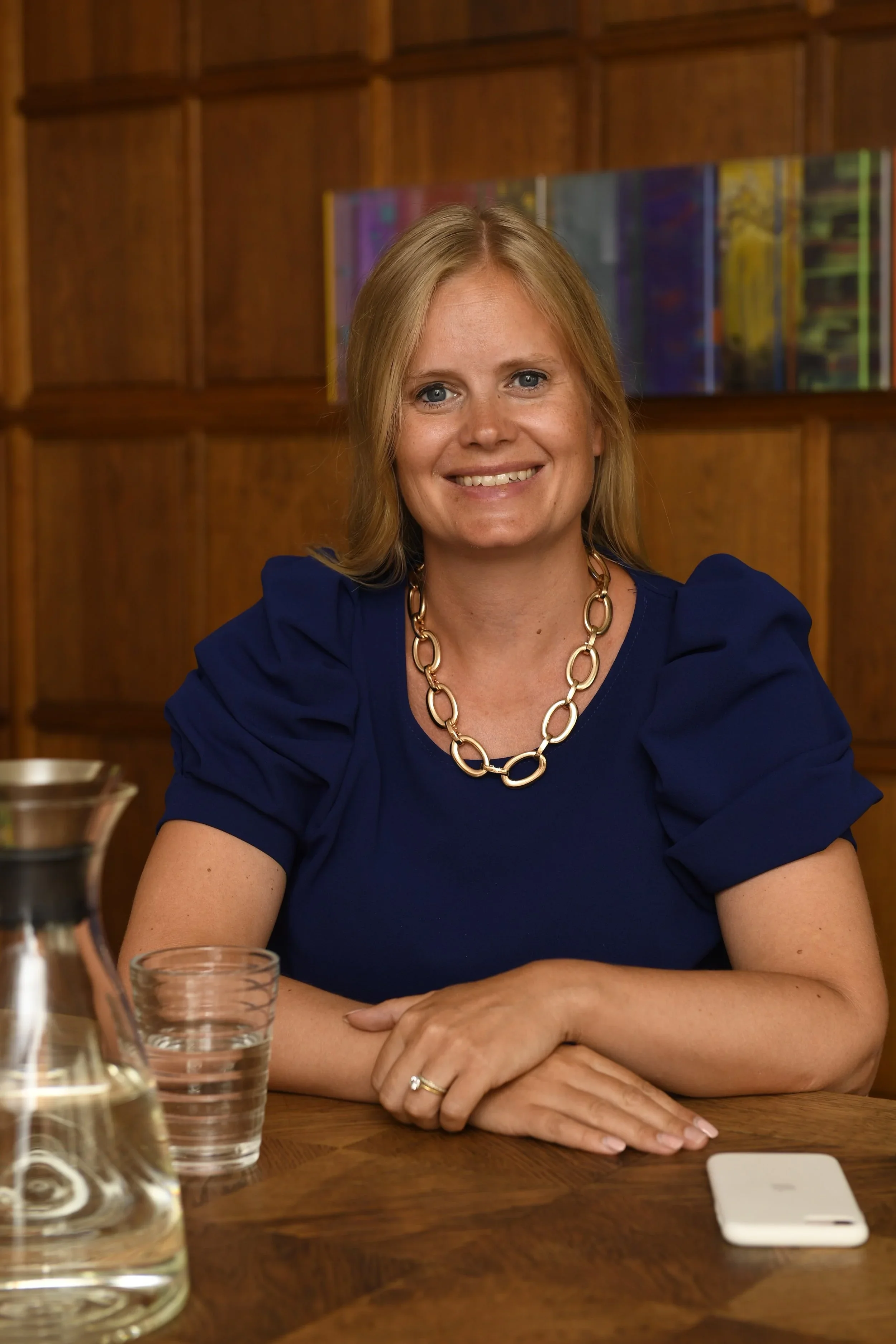
Malin Lombardi, Co-founder, Stockholm
Nearly 20 years advising some of Europe's most influential organisations, and a high volume of international board, CEO and leadership assessments each year, have given Malin a live pattern library of how leadership groups align, drift, and fracture across countries, ownership models, and market cycles. TRAMA's core discipline, structured assessment over anecdote, is her working method, systematised.
At TRAMA, Malin leads the assessment methodology, which is the structured interviews and reviews the evidence base is built on.
The engine
What makes that judgment repeatable is the engine beneath it. TRAMA's diagnostic architecture turns assessment data into consistent, decision-ready findings. This is deterministic by design, so the same inputs always produce the same output, and every score traces to the evidence behind it.
The engine is built and maintained by an analytical and technical team with deep backgrounds in AI and product development, who design, test, and maintain the architecture behind every engagement.
The team sits across Stockholm and London.
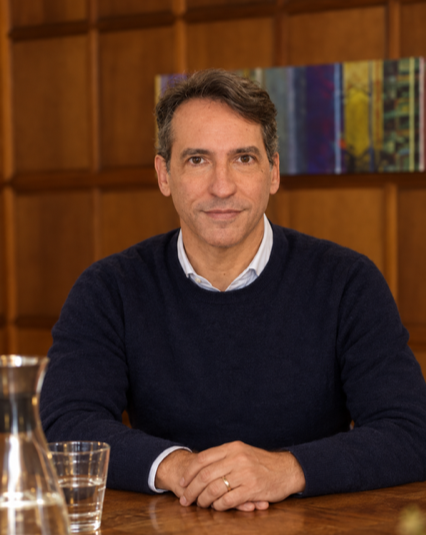
Marco Mormone, London
Marco brings 20+ years leading data-driven transformations across manufacturing, pharmaceuticals, technology, and private equity-owned businesses in more than 20 countries. He founded and scaled Arca Blanca, an award-winning data science and AI consultancy, and continues to chair and advise deep-tech scale-ups as a board-level advisor and investor.
At TRAMA, Marco pressure-tests the diagnostic against what a real transformation requires, keeping the model anchored to what determines whether change lands.
See the instrument in action
Book a conversation and we will walk you through a sample report, and what the diagnostic would look like applied to your situation.